
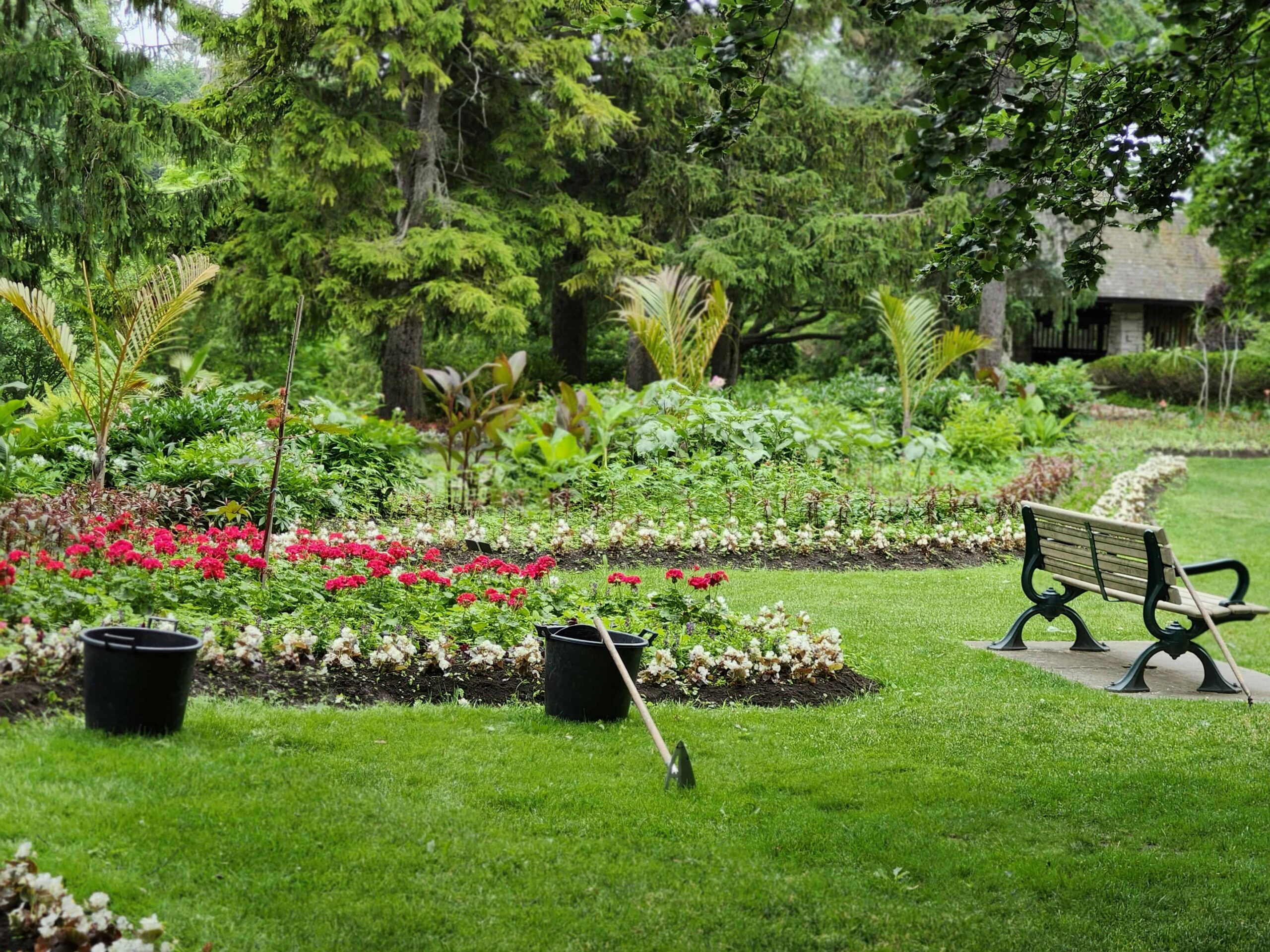
A well-kept exterior of your home or property does more than just look nice; it gives the impression that you take care of your property and that you are looking to take care of any potential buyer or tenant. The problem for many homeowners and property owners is finding a solution to give their property a boost in appeal that will stay attractive all year long without becoming a maintenance nightmare.
There are ways to have a beautiful outdoor space that has good curb appeal that doesn’t have to take a lot of time to maintain. These are some of the ways to give your home a boost of curb appeal without having to spend a lot of time in the yard.
Start with Native Plants
There are many beautiful Native Plants available for your garden, all of which have evolved in your local climate and as such require less water, less fertilizer and less maintenance than most other types of ornamental plants. They are the backbone of a low-maintenance garden and provide a natural and authentic look to your outside space.
Benefits include:
- Deep root systems that improve drought resistance
- Natural resistance to regional pests and diseases
- Year-round visual interest with seasonal blooms and foliage.
- Attracts pollinators and supports their activity in your garden, which supports overall health of your plants.
The United States Department of Agriculture’s USDA’s Plant Database can be a good starting point to determine which native species are native to your region and may thrive in your garden. Replacing high-maintenance ornamental flowers with native species can help save lots of water throughout the seasons.
Choose Perennials Over Annuals
Annual flowers look great for a season, but they need to be replanted every year. Perennials return on their own, which means one planting decision delivers years of visual impact.
Strong low-maintenance perennial options include:
- Coneflowers (Echinacea) – drought-tolerant and pollinator-friendly
- Black-eyed Susans – long blooming season, minimal care
- Ornamental grasses – provides great texture and movement in your garden.
- Lavender – very fragrant and non attractive to deer. It does very well in poor soils.
- Daylilies – Plants that can fill in bare spots and Daylilies are very easy to take care of and will do great in most any type of soil.
By mixing up early season, mid season, and late season perennials you can have flowers in your garden all spring, summer and fall without having to re-finger the individual plants.
Use Mulch Strategically
Mulch is one of the most cost-effective landscaping tools available. A 2-3 inch layer around plants and trees accomplishes several things at once:
- Suppresses weed growth
- Retains soil moisture
- Regulates soil temperature through seasonal changes
- Enhance the appearance of your garden.
Organic mulch such as shredded bark or wood chips are ideal as they decay and as they break down they will add nutrients to your garden soil. Annual reapplication of a fresh layer of mulch of about 2-3 inches will maintain the coverage and appearance of your garden beds.
Add Hardscaping for Year-Round Structure
Plants change with the seasons, but hardscaping maintains its appearance regardless of time of year. Patios, walkways, stone borders, and decorative gravel beds provide structure and visual interest even in winter when gardens go dormant.
But when incorporated effectively into your landscape, hardscapes can actually reduce your lawns and garden beds dramatically, leaving you to worry about maintenance of far fewer areas. For instance, a beautifully crafted walkway of interlocking flagstone through a section of your yard could eliminate mowing of a long, skinny area of grass. It will make for a wonderful and unique looking focal point in your yard that also serves a purpose.
Materials worth considering:
- Flagstone or pavers for patios and paths
- Gravel or crushed stone as a lawn alternative in dry areas.
- Raised garden beds with timber or stone borders – These are ideal for creating defined planting zones within your garden.
- Large decorative boulders – These create wonderful focal points & prevent trimming of gardens. They can be positioned around borders to add width without intrusion.
Replace Lawn in Problem Areas
No yard is all sunny. No yard is all flat. Some spots are shady. Some spots are sloped. And some areas just get a lot of traffic. The lawn in such problem areas can be really, really challenging to maintain. In fact, it is probably the biggest challenge in your yard. Most turf simply does not perform well in such locations. In such locations, turf can look very poor, appear to be dead in some areas, and require a huge amount of effort to maintain. And for what? In most cases, it is better to just replace the poor performing section of lawn with a low maintenance alternative such as a ground cover.
Practical lawn alternatives include:
- Ground covers like creeping thyme or clover, which require no mowing
- Gravel or decomposed granite for drainage-challenged spots
- Native meadow mixes that establish themselves and need minimal intervention
Companies like WeLease Property Management prioritize low-maintenance exterior features that keep curb appeal high year-round. Keeping the exterior of rental properties looking their best is important to property owners and, also, in the interest of property managers and their employers.
To keep the exterior of rental properties looking as good as possible as long as possible, there are features of a rental property’s exterior that require far less maintenance than lawn. Examples of maintenance-free outdoor features include a rental property’s decorative boulders and edging stones. These are added to a lawn or as a substitute for lawn in a bed of flowers, but they need not be removed as is the case with a lawn that goes dormant in winter.
Plan for Seasonal Transitions
There is still going to be work to be done from time to time but instead of weekly work there are two or three, focused work sessions per year.
A simple seasonal schedule looks like this:
- Spring – cut back dead ornamental grasses, divide up any overcrowded perennials, and refresh mulch as needed.
- Summer – Weed and prune as needed. Remove spent flowers from perennials to encourage continued blooming.
- Fall – Remove flower and foliage from perennials to allow for new growth in the spring. Plant spring flowering bulbs. Start to edge out beds and flower beds with a hard edge such as brick or stone to create a crisp edge.
- Winter – Assess hardscaping (patios, walks and walls) to make repairs or replace if necessary. Plan next year’s flowers and trees to buy in late winter on sale.
By going into your landscape on a regular basis to perform 2-3 sessions of focused work per year as opposed to constant maintenance throughout the growing season, you can keep your property looking well-manicured with minimal time being spent on it.
The Long-Term Value Proposition
Your University of Washington research on the value of green spaces to real estate has provided insight on how to establish increased value in a property’s exterior. An attractive landscape can provide a great first impression of a house to potential investors and/or renters and can create a sense of value to the tenants of a property resulting in a quality tenant and greater tenancy.
The best landscapes are maintained with long-term value in mind. Some items including plants, perennials, mulch, hardscaping and smart alternatives to turf all contribute to your property in creating an exterior space which allows you to look good while minimizing the work needed to continue to look great for the entire year and help maintain your property’s value! If you’re looking for local vendors who specialize in landscaping and outdoor features, or want to connect with professionals at an upcoming event, visit the ROC Home & Garden Show to explore your options and find trusted experts in your area.