
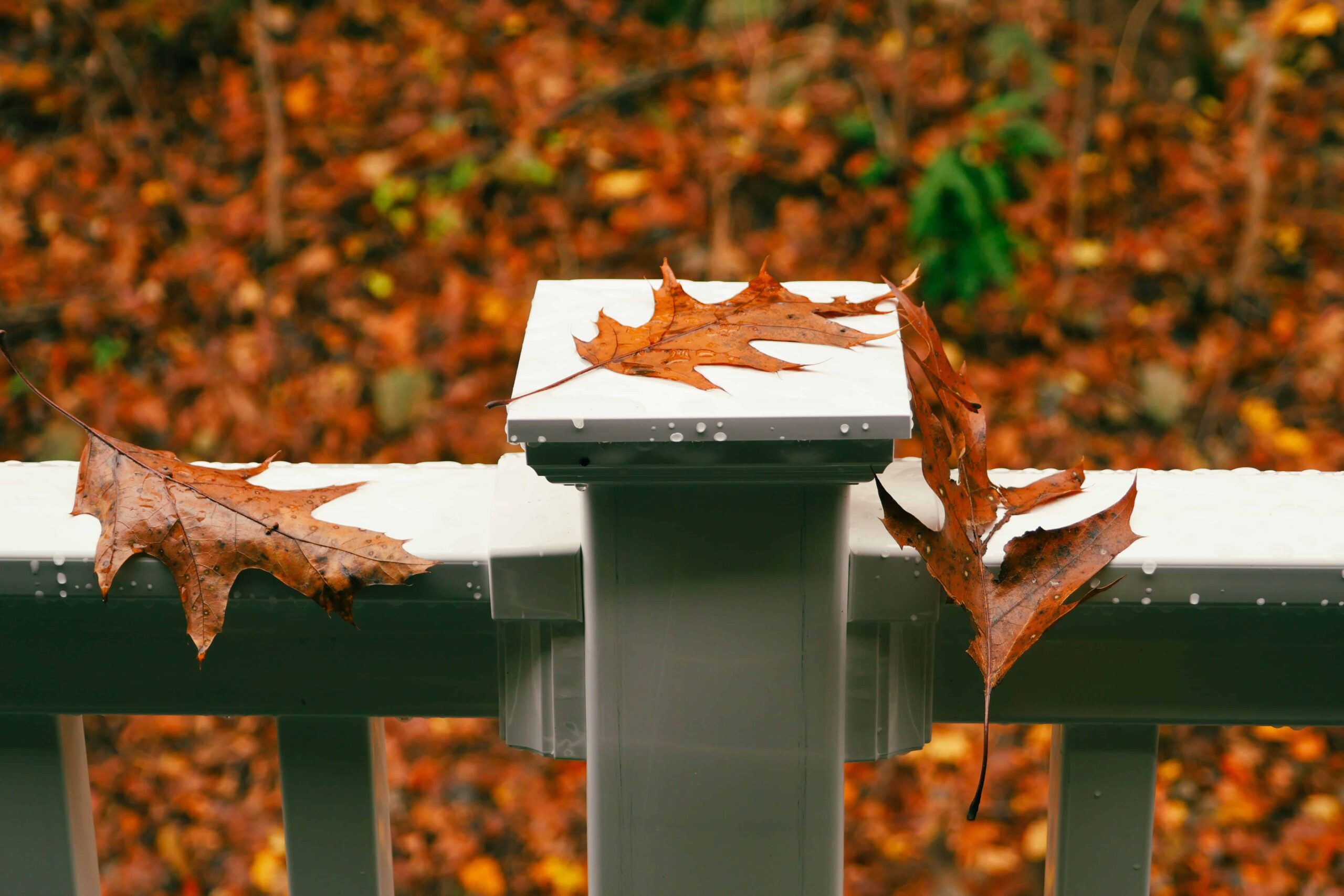
If you have outdoor spaces in Rochester, chances are they will take a beating from year to year. Hot, humid, sticky summers are followed by freeze-thaw cycles that can cause splits in concrete, heaves in your garden beds, and make neglected irrigation lines expensive to repair. Fortunately, by paying attention to your outdoor spaces in late summer to early fall, you can protect your investments and save money in the long run by not having to put them back together in the spring.
Finally, the basics on what to do before the weather turns cold!
Start With Your Irrigation System
Many mistakes that cost homeowners money to repair in the spring are preventable and caused by simply not knowing what to do in the fall. One of the most common mistakes is allowing water to remain in the irrigation lines. As temperatures drop below freezing, the water in the lines will expand and crack the pipes, fittings and backflow preventers. The Environmental Protection Agency’s EPA’s WaterSense program recommends that consumers turn off and blow out their irrigation systems before the first hard frost in their area. In Monroe County, New York the first hard frost typically occurs in mid to late October.
Steps to protect your system:
- Shut off the main water supply to the irrigation system.
- Use a commercial air compressor to blow out each zone individually.
- Inspect sprinkler heads and valves for cracks prior to storing.
- Drain the water from above ground components and store away hose and other equipment, including disconnecting hose bibs.
If you have an irrigation system that was professionally installed you should schedule the blowout as early as possible in September because irrigation contractors in Rochester fill up fast around that time.
Prepare Your Patio and Hardscape
Your concrete or natural stone patio and walkway surfaces are particularly susceptible to the freeze-thaw damage that plagues upstate NY homes through the Winter months. Water that enters the pores on the surface of your hardscapes will in fact SEEP into the small pores within the stone and as the water FROZES it will EXPAND and cause damage to the surface. Apply a QUALITY penetrating sealer to your patio hardscapes prior to the first frost. Sealer can be applied to wet surfaces but MUST BE allowed to FULLY DRY prior to exposure to moisture again.
Practical steps:
- Clean the patio and patio-furniture surfaces, allowing them to dry completely before applying a sealant.
- Use a penetrating, concrete-based sealer on concrete-based surfaces. (Use a sealer rated for bluestone, brick, etc. for those types of surfaces.)
- Using a penetrating sealer. There are different types of penetrating sealer for use on different surfaces. Such as concrete, bluestone or brick.
- Check grout lines and mortar joints for any sign of cracks or wear. Repoint any necessary sections to stop water from entering.
- If possible move planters or very heavily planted pots as the water in them will freeze and split the pot in the cold weather.
For wood decks, it is essential to check for any soft spots or rotten boards while the weather is still good to fix any problems that may occur otherwise and turn into major repairs by the time March rolls around.
Protect Your Garden Beds
Smart plant selection for your upstate New York garden or yard is one of the biggest factors in making Seasonal Maintenance easier. By choosing perennials and native plants that thrive during Rochester’s growing season and require less maintenance during the off season, homeowners can save a lot of time and money in the long run.
Below is a list of the very best low-maintenance perennials that are native to upstate New York. They thrive in a variety of conditions and provide flowers throughout the growing season. They also provide interest during the winter months as well as being a haven for pollinators.
- Coneflower (Echinacea): These flowers are drought-tolerant, hardy, and also bring pollinators to your yard in the summer time.
- Black-eyed Susan (Rudbeckia): This flower is great for lawns and does very well in the Rochester area. It is very low maintenance and can do well in less than ideal conditions.
- Ornamental grasses: Provide structure and winter interest without intervention.
- Hostas: Reliable and virtually maintenance-free in shaded garden beds and borders.
- Native ferns: Perfect for those yards with plants in moist, partially shaded locations (such as those in Monroe County), Hostas, too.
Wait until the hard frost has ended for perennial plants, such as mums, and cut them back. If perennials have grown too large and have filled their space, fall is the ideal time to split and replant them. Mulch at a depth of 2 to 3 inches around the roots of plants, this will insulate the roots of the plants, keep soil temperature constant, and can prevent soil from washing away during winter. The Cornell Cooperative Extension of Monroe County can be a valuable resource for guidance on how to maintain your garden in the fall.
Inspect Outdoor Structures
Just like your house, outdoor structures need upkeep before winter to prevent costly repairs. Your fences, sheds, pergolas and retaining walls all have issues that can surface in the fall, and fixing them before the snow falls will save you money in the long run.
Check the following before the season changes:
- Loose fence posts: Make sure that fence posts are firmly in the ground and not wobbling. If the post is rotten at the bottom, replace it.
- Pergola or arbor connections for loose hardware
- Retaining walls for signs of bulging or soil displacement.
- Check shed doors and the roof line for any gaps which could allow water to enter and cause problems.
Find the small problems before they become large ones in the winter. Save yourself a lot of money by catching these problems in September as opposed to waiting until after winter.
Why This Matters for Rental and Investment Properties
Outdoor maintenance is important for landlords and investors with outdoor spaces as well as for creating liability as well as building up deferred maintenance costs that can increase with time. Property management companies have long recognized the importance of conducting seasonal outdoor inspections in order to catch potential problems before they become large repairs. Earnest Homes, handles this through structured seasonal maintenance programs designed to preserve property value and keep turnover costs down for landlords.
This same type of seasonal outdoor work is key for homeowners in terms of protecting their largest investment by ensuring its continued value and reducing cost of repairs that could become unmanageable in the long run and become unpredictably expensive.
Plan Now, Save Later
Remember Rochester has a very short outdoor season. The amount of time between the end of summer and hard frost is not long. Homeowners that take the time to inspect and prepare their outdoor spaces in the late summer/early fall will save money in the long run by not having to pay for repairs in the spring.
Well-maintained landscaping and exterior home features and condition increase the value of homes in the United States, according to the National Association of Realtors. A number of seasonal home preparation activities are underway as Rochester homeowners prepare for the first frost and realize the protective work they have undertaken in preparation for the cold weather will save them money in the spring as needed repairs are avoided.