Trees can make a yard feel cooler, more peaceful, and more inviting. They provide shade, add beauty, and give birds and wildlife a place to rest. However, trees also need regular care to stay strong and healthy.
Tree trimming is one of the simplest ways to manage unwanted growth and remove branches that may cause problems. When done carefully, it can improve the shape of a tree, help sunlight reach the yard, and reduce the risk of weak limbs falling. The key is knowing what to look for, how much to remove, and when a project may be too dangerous to handle alone.
How Tree Trimming Shapes a Healthier Outdoor Space
Tree trimming can affect more than the tree itself. Thick, low, or overgrown branches may block sunlight, crowd nearby plants, or make parts of the yard harder to use.
Removing selected branches can create a more open and balanced outdoor space. More sunlight may reach the lawn, flower beds, and garden areas below the tree. Trimming also helps prevent branches from crowding patios, paths, fences, and nearby areas of the yard.
The goal is not to make every tree look perfectly shaped. A good trim should work with the tree’s natural form while helping the yard feel cleaner, brighter, and easier to enjoy.
Warning Signs Homeowners Should Not Ignore
Trees often show clear signs when they need attention. Homeowners can spot many of these problems simply by walking around the yard and looking up.
Common warning signs include:
- Branches that are dry, cracked, or missing leaves
- Limbs that rub or cross over one another
- Growth touching the roof, gutters, or windows
- Low branches blocking paths or driveways
- Broken limbs hanging above the ground
A tree may also look uneven after a storm or begin leaning more heavily toward one side. Not every unusual branch is dangerous, but noticeable changes should not be ignored. Catching concerns early may make them easier and safer to manage.
The Difference Between Helpful Trimming and Overcutting
Removing a few problem branches may help a tree, but cutting too much at once can cause stress. Trees need their leaves to collect sunlight and produce the energy they use to grow.
Helpful trimming focuses on branches that are dead, damaged, crowded, or growing in an unsafe direction. It leaves enough healthy growth behind to protect the tree’s shape and strength.
Overcutting may leave a tree looking thin, uneven, or bare. It can also cause weak new shoots to grow quickly from the cut areas. A tree should not be trimmed simply to make it smaller without considering how each cut may affect its health.
How Proper Trimming Can Prevent Future Problems
Small branches can become much larger over time. A limb that barely touches the roof today may scrape shingles, block a gutter, or press against the home as it grows.
Regular trimming can help keep branches away from buildings, vehicles, fences, and outdoor living areas. It may also reduce the weight of damaged or poorly placed growth before heavy wind, rain, or snow puts more pressure on it.
Trimming can improve visibility near driveways and sidewalks as well. By dealing with troublesome branches early, homeowners may avoid more complicated problems later while keeping the yard safer and easier to maintain.
Why Every Tree Should Not Be Trimmed the Same Way
Trees come in many shapes and sizes, and each one grows differently. A small flowering tree does not need the same type of care as a tall shade tree with heavy limbs.
Each tree should be trimmed based on its age, condition, surroundings, and natural growth pattern. Young trees may need light trimming to guide their growth. Older trees may need careful attention to dead branches or limbs that have become too heavy.
Some trees also respond better when trimmed during certain seasons. Before making large cuts, it is helpful to understand the tree instead of following the same plan for every tree in the yard.
Knowing When a Tree Trimming Project Is Too Risky
Light trimming from the ground may be manageable with the right tools. However, homeowners should be careful when branches are high, heavy, damaged, or close to power lines.
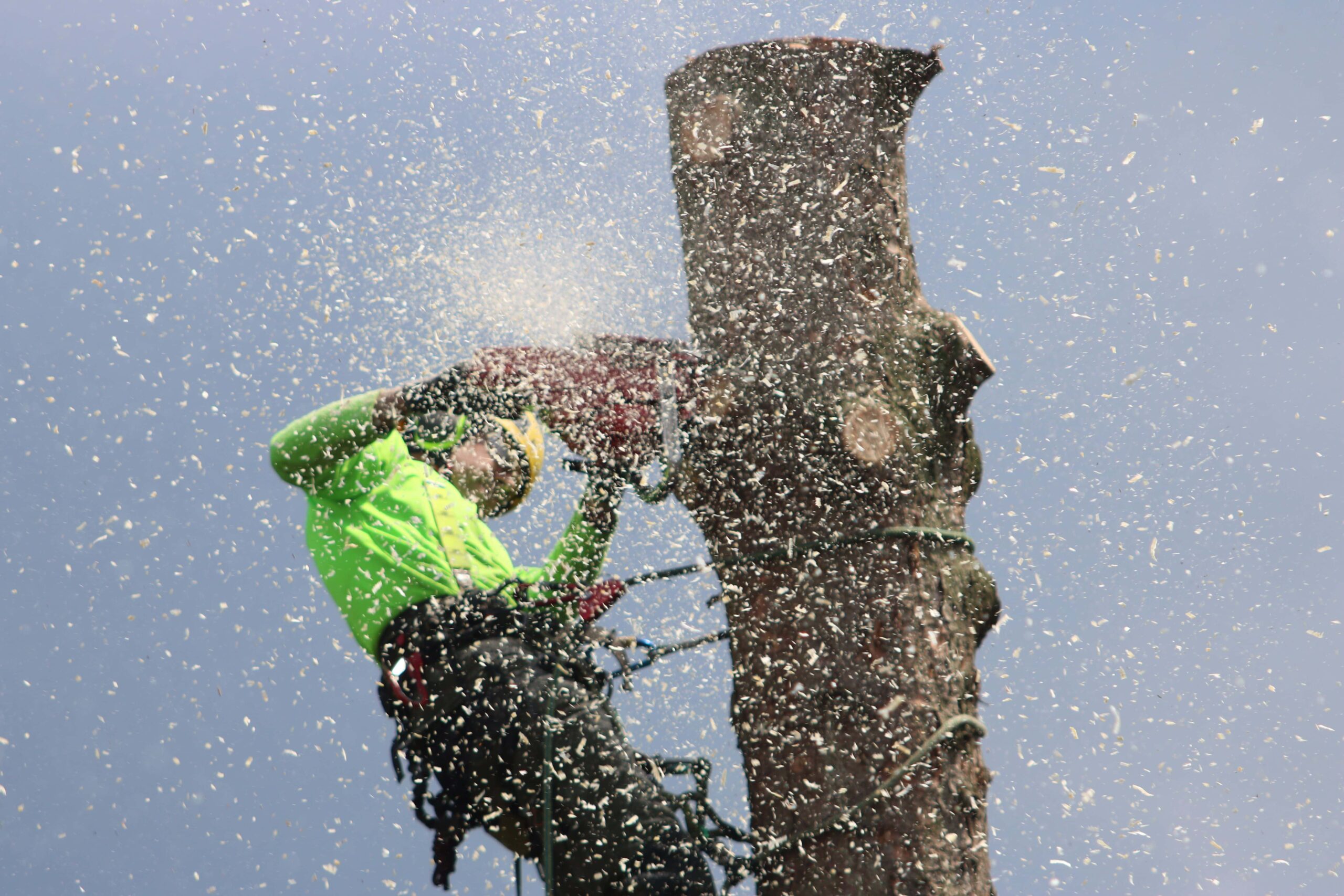
Working high in a tree or operating power tools while standing on a ladder can lead to serious accidents. Large branches may also fall, swing, or split in unexpected directions after being cut. Even a branch that looks small from the ground may be much heavier than it appears.
It is important to step back when a project involves heights, electrical lines, storm damage, or large limbs. Knowing when not to continue is an important part of caring for trees safely.