
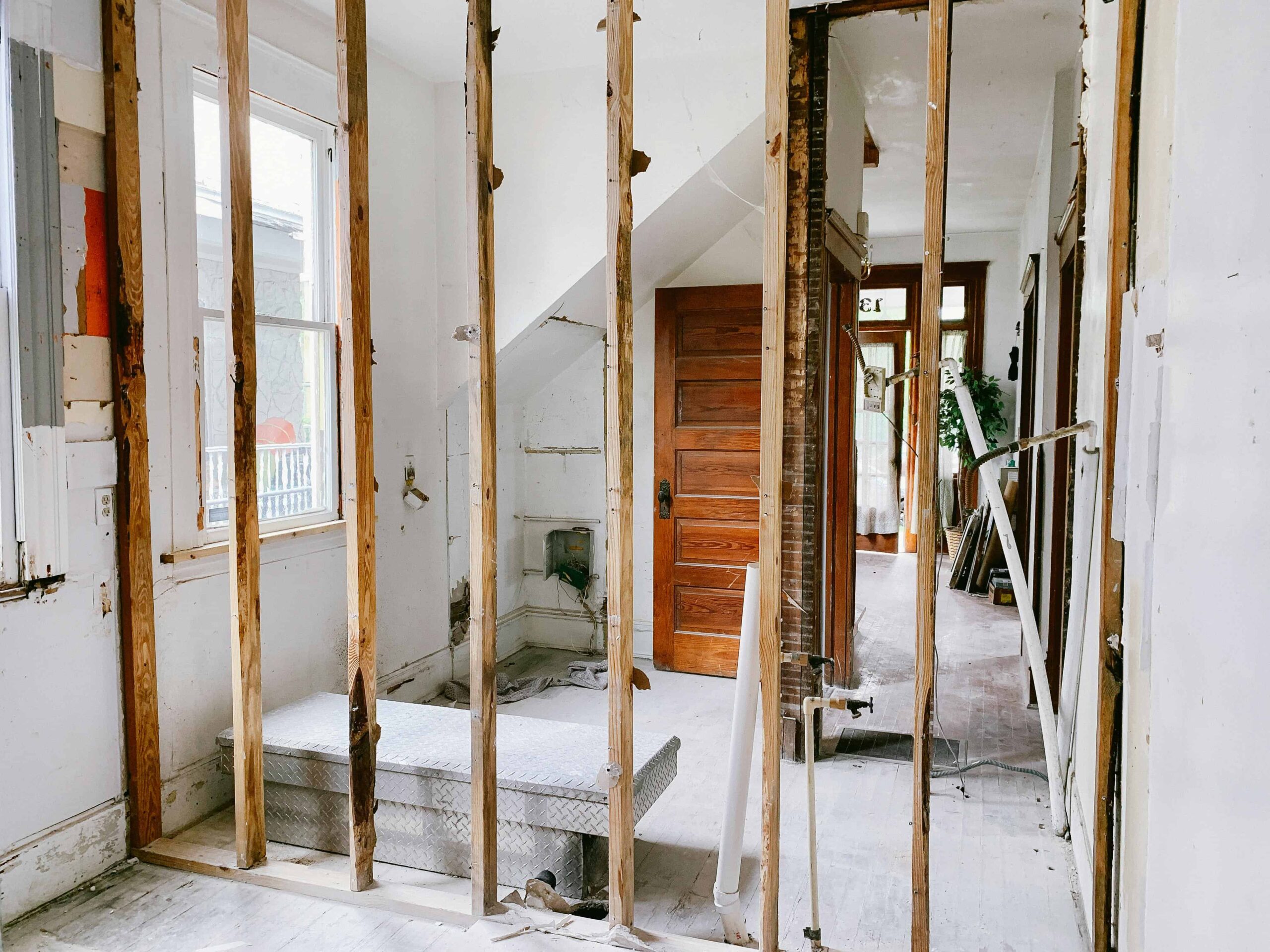
The primary emphasis of the residential remodeling sector is on precision, coordination, and better project clarity. Clients today need seamless project executions to meet accurate timelines. Conventional approaches are no longer sufficient in handling demanding scenarios that need accurate attention. This is true across projects that bring together multiple trades, building modifications, and design updates.
Such modern workflows demand the adoption of digital tools that improve project planning and execution. Numerous remodelers are relying on professional BIM services to create smart building models. This removes any sort of uncertainties, ensuring each project lifecycle stays aligned with the actual design plan.
What Is BIM in Residential Remodeling?
BIM is the digital model that captures the physical and functional aspects of a building. It is different from conventional 2D drawing. BIM designs 3D models on a unified platform, streamlining data, project details, and geometry.
The global BIM market is expected to grow at a consistent rate. It highlights an increase from USD 10.27 billion in 2026 to more than USD 27 billion in 2034. This underscores the importance of BIM for modern construction practices.
To remodelers, this implies:
- Enhanced display of current and proposed designs.
- Precise measurements and quantities of materials.
- Enhanced collaboration among architects, engineers, and contractors.
These abilities enable remodelers to avoid making assumptions or manual coordination. Partnering with BIM experts enables the teams to evaluate complex renovation requirements. This would result in more productive and efficient execution of the final project results.
Why Remodelers Are Adopting BIM
Increasing project complexity and escalating client demands are motivating remodelers to embrace smarter, more trustworthy workflows.
Enhanced Visualization
Thorough 3D modeling enables remodelers to show realistic design ideas. This enables the assisting homeowners to know about spatial alterations, surfaces, and designs. This minimizes confusion, revisions, and delays in approvals.
Improved Accuracy
Clashes between structural and MEP systems are determined early with the help of integrated modeling. This also guarantees a reduction in the number of mistakes on the site. Furthermore, this helps teams coordinate better and remain confident in the construction results at all levels.
Efficient Project Planning
The use of sophisticated scheduling and sequencing software helps remodelers. It helps in planning tasks more rationally, reducing distractions, and organizing tasks. This ensures a continuous development despite being in occupied residential settings.
Cost Control
Real-time data insights and accurate quantity take-offs enable remodelers to estimate budgets accurately. Moreover, it helps avoid material waste and manage financial expectations without causing budget overruns.
Key BIM Applications in Residential Projects
BIM can be utilized in various phases of residential remodeling. Hence, it can be utilized for both minor upgrades and intricate renovations.
Design Development
BIM allows remodelers to develop highly advantageous design models, balancing architectural intent with real-world constraints. This makes sure that the additions do not disrupt existing structures but rather blend effortlessly with them.
This clarity enables homeowners to see the end result more clearly. The model allows design modifications to be made without delays. Additionally, it helps meet client expectations by aligning outcomes with the initial design.
Structural Modifications
During structural changes, planning is especially important, especially in load-bearing. BIM models give clear information about the structural integrity. This enables remodelers to weigh risks and make a good decision before the physical work commences.
Such detailing reduces the possibilities of expensive mistakes in the middle of construction. With the help of remodelers, it is safe to make changes and ensure it remains in the long run.
MEP Coordination
Renovations tend to rely on overlapping in mechanical, electrical, and plumbing systems. BIM unites all these systems into a single model. It helps teams recognize and address clashes before construction.
This coordination ensures smoother workflows and reduces rework on-site. This underscores the importance of BIM in High-Rise Residential projects. Since minor remodels also require accurate system integration and planning.
Benefits of BIM for Remodelers
BIM delivers a number of benefits to residential remodeling contractors in the long term:
- Rapid project approvals because of vivid visualization
- Fewer design errors and site conflicts
- Improved budgeting accuracy
- Enhanced collaboration with stakeholders
- Increased profitability due to less rework
It also helps remodelers position themselves as tech-forward in a competitive market.
The Future of BIM in Residential Remodeling
Residential remodeling is becoming increasingly digital. BIM will be integrated with AI, IoT, and a cloud-based collaboration system. This ensures that remodeling will become more predictive and automated.
Remodelers will soon not only be able to design spaces digitally. But it will simulate real-time performance, energy use, and lifecycle costs even before construction begins.
Conclusion
BIM continues to transform remodelers’ decision-making and provides deeper insights into the complexities of renovations. The long-term value is also easier to attain, whereby detailed models facilitate future upgrades. It also includes extensive maintenance planning and property management.
By integrating BIM into their processes, remodelers also put themselves in a position to manage changing project requirements.
Author Bio:
Jesus Sanchez is the president of Modelo Tech Studio, an architectural BIM modeling expert offering high-quality 3D modeling, BIM, and CAD services for AEC industry professionals.