
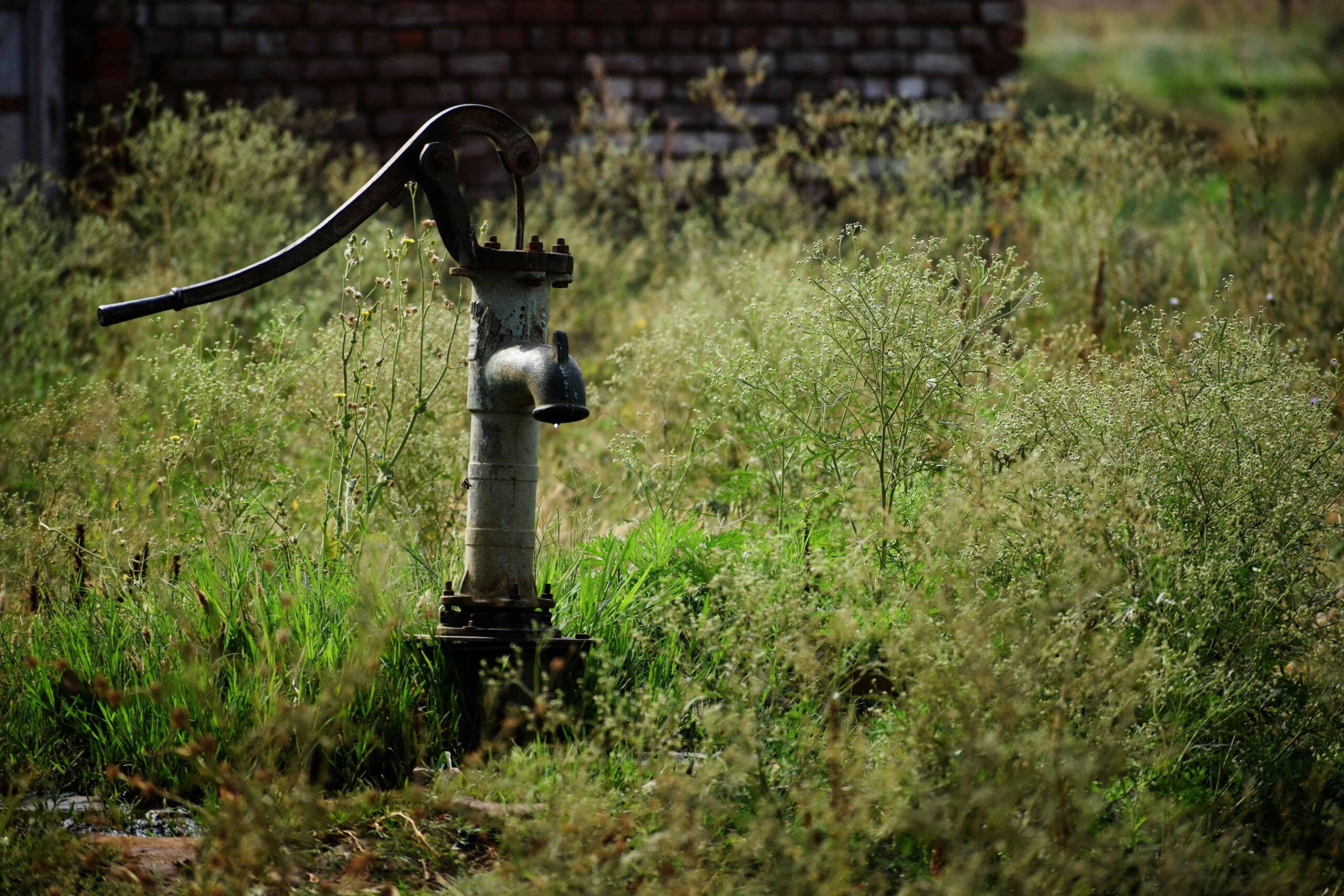
Why Your Water Pump Matters More Than You Think
If you’ve ever dealt with inconsistent water pressure, strange noises from your system, or rising utility bills, your old pump might be the culprit. A failing pump doesn’t just affect water flow—it impacts energy efficiency and can even lead to bigger plumbing problems. Replacing it with a high-quality alternative can transform how your home or business operates.
When my well system started acting up, I ignored the warning signs at first. A few trickling faucets didn’t seem like a big deal—until the day I woke up to no water at all. A quick inspection confirmed what I had been avoiding: I needed a replacement water pump fast.
Signs You Need a Replacement Water Pump
A water pump isn’t something you think about daily, but it plays a vital role in your home’s plumbing system. Knowing when to replace it can save you from expensive repairs down the line. Here are some telltale signs that it’s time for an upgrade:
- Fluctuating Water Pressure – If your shower pressure drops randomly, your pump may be struggling to maintain a steady flow.
- Unusual Noises – A healthy pump should operate quietly. Loud banging or whining sounds indicate wear and tear inside the motor.
- Higher Energy Bills – If your electricity costs keep climbing with no obvious reason, your water pump could be overworking itself.
- Frequent Repairs – Constantly calling a plumber? At some point, replacing your pump becomes more cost-effective than fixing an outdated unit.
replacement water pump options today are designed to be more energy-efficient, quieter, and longer-lasting than ever before. Investing in a new one can save you money and headaches in the long run.
Choosing the Right Water Pump for Your Needs
Not all water pumps are created equal. Your replacement should be tailored to your specific needs, whether you rely on well water, a municipal supply, or an irrigation system. Here are a few factors to consider:
1. Pump Type
- Centrifugal Pumps – Best for homes with a consistent water supply. They’re simple, affordable, and effective for moderate water needs.
- Submersible Pumps – Ideal for wells and deep water sources. These pumps operate underwater, reducing noise and improving efficiency.
- Booster Pumps – A must-have if you suffer from low water pressure. They work alongside your existing system to increase water flow.
2. Flow Rate & Pressure Requirements
Your home’s water demand determines the right pump size. A single-story home with minimal usage needs a different pump than a multi-story building with multiple bathrooms. Check the gallons per minute (GPM) rating to ensure your replacement pump can handle your household’s demands.
3. Energy Efficiency
An inefficient pump can waste energy, leading to higher bills. Look for models with energy-saving features like variable-speed motors and automatic shut-off mechanisms.
Installation: DIY or Call a Pro?
I’m all for DIY projects, but replacing a water pump is a bit more complex than swapping out a faucet. If you’re experienced with plumbing, you might feel comfortable tackling it yourself, but there are a few risks to keep in mind:
- Incorrect Installation – A poorly installed pump won’t work efficiently and may even cause leaks.
- Electrical Hazards – Many pumps require electrical connections, which can be dangerous without proper knowledge.
- Voided Warranties – Some manufacturers require professional installation for warranty coverage.
Hiring a professional ensures your new pump is installed correctly, minimizing potential issues down the line.
Maximizing the Lifespan of Your New Pump
A well-maintained water pump can last over a decade, but neglect can cut its lifespan in half. Here’s how to keep your system running smoothly:
- Regular Inspections – Check for leaks, strange noises, or signs of wear. Catching small issues early can prevent costly failures.
- Clean the Intake Filters – Clogged filters force the pump to work harder, reducing efficiency and longevity.
- Monitor Pressure Settings – Excessive pressure strains the pump and pipes. Ensure your system operates within the recommended range.
- Winterize if Necessary – If you live in a cold climate, protect your pump from freezing temperatures to avoid damage.
The Bottom Line
Upgrading to a replacement water pump is a smart move for anyone dealing with pressure fluctuations, inefficiency, or outdated equipment. Not only does it improve water flow, but it also reduces energy consumption and extends the life of your plumbing system.
Don’t wait for your pump to fail completely before making the switch. A proactive replacement can save you from emergency repairs and unexpected expenses. If you’re ready for a smoother, more efficient water system, now’s the time to find the right pump for your needs.