
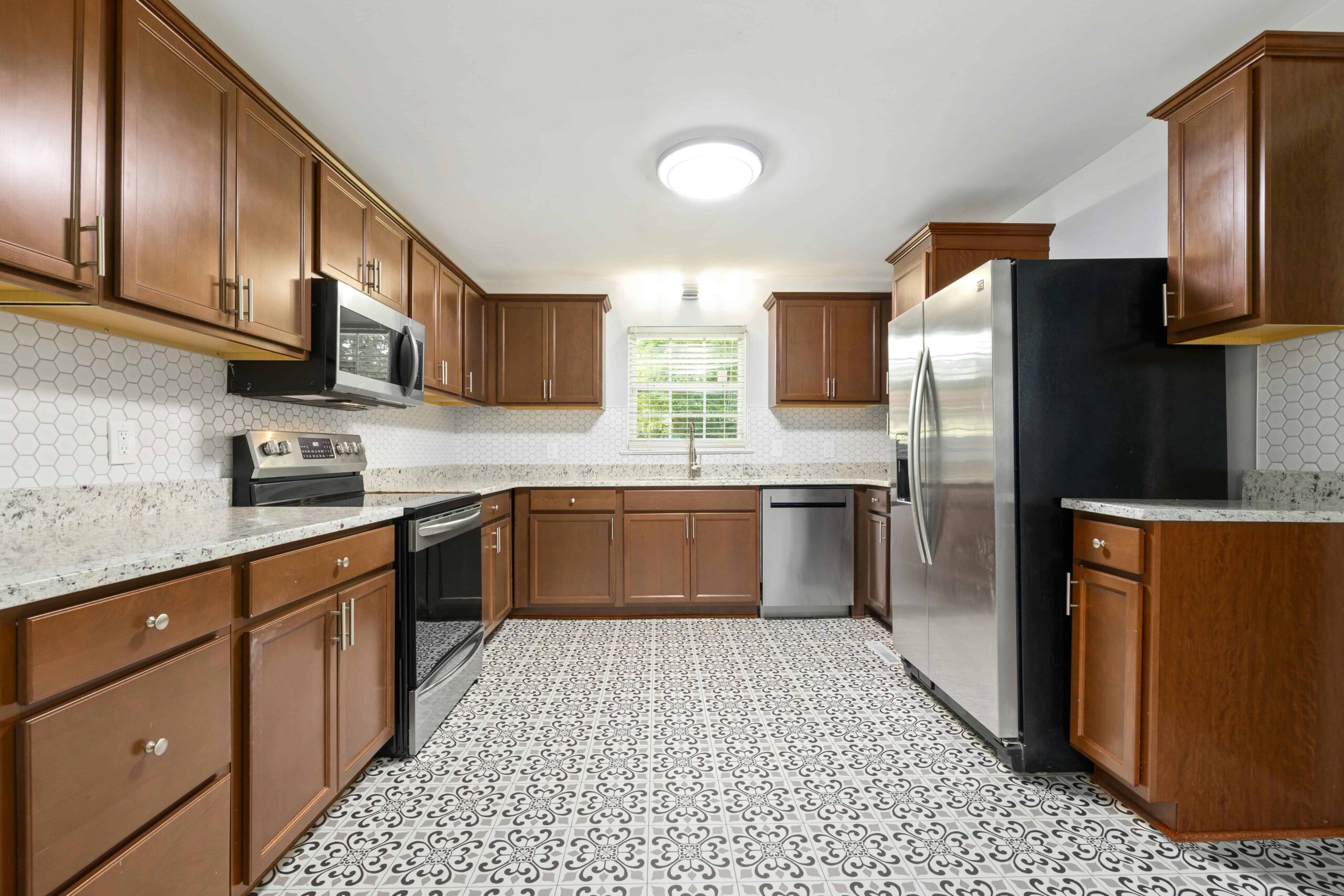
Anyvision Home Remodeling company knows that most kitchen remodeling regrets do not start with bad taste.
They usually start with small choices that seem harmless in the moment, then become daily frustrations once the dust settles.
A kitchen remodel can feel exciting at first.
New cabinets.
Better lighting.
Fresh counters.
More storage.
Maybe even that big island you have been saving pictures of for years.
But once real life kicks in, the kitchen has to do more than look good.
It has to handle rushed breakfasts, late-night snacks, school lunches, holiday cooking, muddy shoes, grocery bags, guests, pets, and the one drawer everyone in the house somehow destroys.
They did not plan for the way they actually live with help from Anyvision Home Remodeling company.
That is where homeowners often realize the mistake.
They planned for the photo.
They did not plan for the daily routine.
Choosing Looks Over Daily Function
One of the biggest kitchen renovation mistakes is picking finishes before thinking about workflow.
It is easy to fall in love with a white marble-style countertop, open shelves, or a dramatic range hood.
But the real question is simple.
Will this kitchen still make sense on a busy Tuesday night?
I once heard a homeowner say they chose open shelving because it looked clean and modern online.
Three months later, they were tired of dusting plates and trying to make everyday cups look “styled.”
The kitchen looked great when nobody used it.
It became annoying once the family actually moved back in.
A smart kitchen design starts with how people move.
Where do groceries land?
Where does meal prep happen?
Can someone open the dishwasher while another person stands at the sink?
Is the trash close enough to the prep area?
These small details matter more than trendy finishes.
Ignoring the Kitchen Work Triangle
The sink, stove, and refrigerator should feel connected.
That does not mean every kitchen needs an old-school triangle layout, but the main work zones should not fight each other.
If the fridge is too far from the prep area, cooking becomes a back-and-forth workout.
If the stove is boxed into a corner, two people cannot cook comfortably.
If the dishwasher blocks the walkway when open, someone will complain about it every night.
A kitchen remodel should reduce friction.
It should not make simple tasks feel like a maze.
Before cabinets are ordered or walls are opened, homeowners should walk through a normal day in the kitchen.
Make coffee.
Pack lunch.
Unload groceries.
Cook dinner.
Clean up.
That exercise often reveals layout problems before they become expensive regrets.
Underestimating Storage Needs
Many homeowners think new cabinets automatically mean better storage.
That is not always true.
More cabinets can still be badly planned.
A deep cabinet without pull-out shelves can become a black hole.
A narrow drawer near the stove may not fit cooking utensils.
A pantry that looks large may not work if shelves are too deep or poorly spaced.
Good kitchen storage is not just about square footage.
It is about access.
Pull-out trays, drawer dividers, vertical slots for baking sheets, hidden trash bins, appliance garages, and corner cabinet solutions can make a kitchen feel easier to use.
I have seen people spend heavily on countertops but forget where the air fryer, blender, rice cooker, and coffee supplies will go.
Then the new counters become cluttered within weeks.
The best remodeling plan gives every daily item a home.
Picking Cheap Materials in High-Use Areas
Saving money is understandable.
Kitchen remodeling is not cheap.
But cutting costs in the wrong places can create bigger bills later.
Cabinet hardware, flooring, countertops, grout, and sink fixtures take daily abuse.
They deal with heat, water, grease, spills, scratches, and constant touching.
Cheap cabinet hinges may loosen.
Thin flooring may dent.
Low-quality counters may stain.
Poor grout may discolor faster than expected.
This does not mean every homeowner needs luxury materials.
It means the budget should match how the kitchen is used.
A couple who cooks once a week may have different needs than a family of five cooking two meals a day.
Durability should guide the spending.
Style should come after that.
Forgetting About Lighting Layers
A kitchen with one ceiling light is rarely enough.
Good lighting needs layers.
Task lighting helps with chopping, cooking, and cleaning.
Ambient lighting keeps the room comfortable.
Accent lighting adds warmth and depth.
Under-cabinet lights are especially helpful because upper cabinets can cast shadows over the countertop.
Without them, homeowners often end up prepping food in their own shadow.
Pendant lights over an island can look beautiful, but they should be hung at the right height.
Too low, and they block sightlines.
Too high, and they feel disconnected.
Lighting is one of those details people do not always notice when it is done well.
But they notice quickly when it is wrong.
Making the Island Too Big
A kitchen island can be the star of the remodel.
It can also ruin the flow if it is oversized.
Many homeowners want the largest island possible.
That sounds great until there is not enough room to walk around it.
A cramped island can make the kitchen feel smaller, not bigger.
There should be comfortable clearance around all sides.
People need space to open appliances, pull out stools, carry hot pans, and move around without bumping into each other.
A smaller island with smart storage and seating often works better than a massive island that blocks traffic.
The goal is not to fill the room.
The goal is to make the room work.
Not Planning Enough Outlets
This mistake seems small until the remodel is finished.
Then the homeowner realizes there is nowhere to plug in the coffee maker, toaster, phone charger, mixer, or laptop.
Modern kitchens need more power than older kitchens were built for.
Outlets should be planned around real habits.
Where will small appliances sit?
Will the island need power?
Does someone work from the kitchen counter?
Will there be a charging drawer?
Are outlets needed inside the pantry for appliances?
Electrical planning is much easier before walls and backsplashes are complete.
Afterward, it can become messy and expensive.
Choosing Trendy Designs That Age Fast
Trends can be fun.
The problem starts when every major choice is based on what is popular right now.
Bold cabinet colors, unusual tile patterns, statement lighting, and trendy hardware may look great today.
But homeowners should ask whether they will still like those choices in five or ten years.
A safer approach is to keep expensive permanent features more timeless.
Then use paint, decor, stools, rugs, and accessories for personality.
Cabinets, flooring, counters, and backsplash are harder to change.
They should have staying power.
A remodel should feel current without feeling trapped in one moment.
Rushing the Planning Stage
Many kitchen remodeling regrets happen because homeowners rush into construction.
They want the old kitchen gone.
They want progress.
They want to see cabinets installed.
That is understandable.
But planning is where the money is protected.
Measurements need to be accurate.
Appliance specs need to be confirmed.
Cabinet layouts need to be reviewed.
Ventilation, plumbing, electrical, permits, timelines, materials, and delivery schedules all need attention.
A rushed plan often leads to change orders.
Change orders lead to delays.
Delays lead to stress.
The best remodels usually feel slower in the beginning because the details are being handled before work starts.
That patience often saves money later.
Forgetting Ventilation
A beautiful kitchen still needs to breathe.
Cooking smells, steam, grease, and smoke need somewhere to go.
Poor ventilation can leave cabinets sticky, odors trapped, and air quality lower than expected.
This is especially important for homeowners who cook often or use high-heat methods like searing, frying, or grilling indoors.
A proper range hood should fit the cooking style and kitchen layout.
It should also vent correctly whenever possible.
Ventilation is not the flashiest part of a remodel.
But it affects comfort every day.
Not Thinking About Cleaning
Some materials look amazing in a showroom.
Then real life happens.
Glossy cabinets show fingerprints.
Dark floors show crumbs.
Textured backsplash tile can catch grease.
Light grout can stain.
Open shelves collect dust.
Before choosing finishes, homeowners should ask one honest question.
How much cleaning do I actually want to do?
A low-maintenance kitchen can still look beautiful.
Quartz-style counters, easy-wipe cabinet finishes, durable flooring, simple backsplash surfaces, and practical hardware can make daily cleanup easier.
A kitchen should not become a second job.
Skipping a Realistic Budget Cushion
Most homeowners set a budget.
Fewer homeowners leave enough room for surprises.
Older homes can hide plumbing issues, electrical updates, uneven floors, damaged subfloors, or framing problems.
Even simple upgrades can uncover extra work.
A budget cushion helps keep the project from becoming stressful.
It also helps homeowners avoid making rushed choices when unexpected costs appear.
Without a cushion, people may cut back on important details near the end of the project.
That can lead to regret.
A realistic kitchen renovation budget should include materials, labor, permits, design, appliances, temporary kitchen needs, and unexpected repairs.
Not Matching the Remodel to the Home
A kitchen should feel connected to the rest of the house.
A sleek ultra-modern kitchen may feel strange inside a warm traditional home.
A rustic farmhouse kitchen may not match a clean contemporary layout.
That does not mean every room has to look the same.
But there should be visual flow.
Flooring, trim, paint tones, cabinet style, and hardware should make sense with nearby spaces.
This matters even more in open-concept homes where the kitchen is visible from the living or dining area.
A remodel should improve the home, not make one room feel like it belongs somewhere else.
Forgetting Resale Without Letting It Control Everything
Homeowners should remodel for how they live.
Still, resale value matters.
Over-personalized choices can make a kitchen harder to appeal to future buyers.
That bright orange backsplash may be fun.
A future buyer may see a project they need to replace.
The best balance is personal but not extreme.
Choose a layout that works for most families.
Use durable materials.
Add storage.
Improve lighting.
Keep the big-ticket items broadly appealing.
Then bring in personality through easier updates.
That way, the kitchen feels personal now and practical later.
Final Thoughts
The biggest kitchen remodeling mistakes usually come from ignoring daily life.
A kitchen is not just a design project.
It is where people cook, talk, clean, argue, laugh, snack, gather, and start over the next morning.
The best remodel is not always the fanciest one.
It is the one that works when everyone is tired, hungry, busy, and trying to get through the day.
Plan the layout carefully.
Choose durable materials.
Think about storage, lighting, cleaning, ventilation, power, and movement.
A beautiful kitchen is great.
A beautiful kitchen that actually works is the one homeowners rarely regret.